
History of the School of Electrical and Computer Engineering
History of the School of Electrical and Computer Engineering
2024
Milind Kulkarni takes helm as Head of Purdue's Elmore Family School of Electrical and Computer Engineering
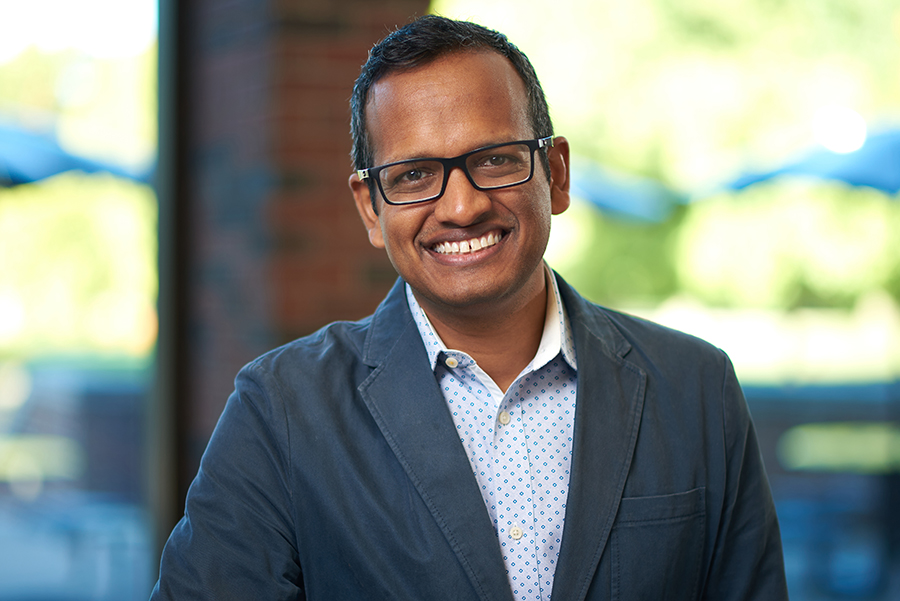
After a nationally competitive search, Purdue University has announced that Milind Kulkarni will assume the role of the Michael and Katherine Birck Head of the Elmore Family School of Electrical and Computer Engineering, effective Monday, February 19. Kulkarni has been a part of the Purdue ECE faculty since 2009 and has been serving as Interim Head since July 3, 2023.
2021
Electrical Engineering Building gets new name after generous gift to school
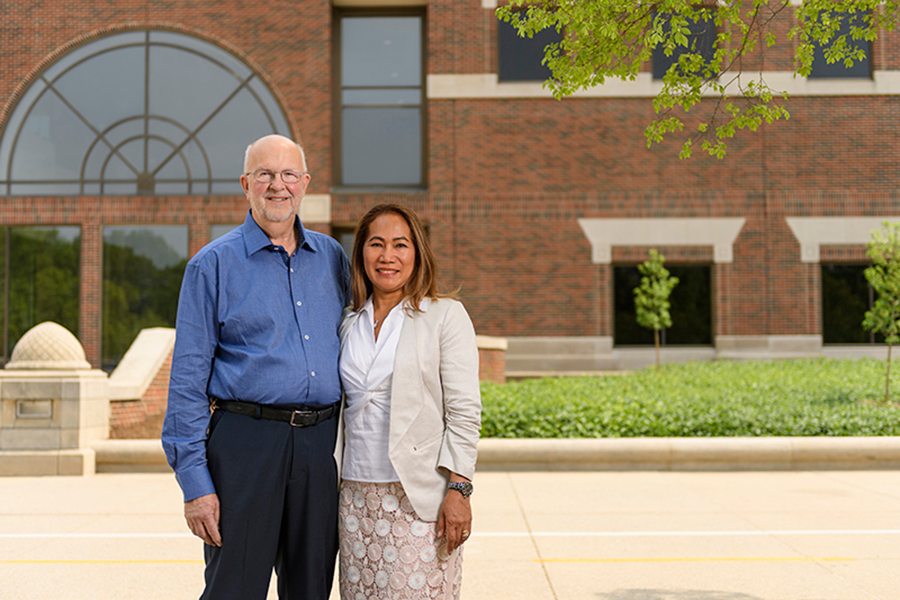
The Purdue Board of Trustees approved the naming of the Electrical Engineering Building on campus as the Max W & Maileen Brown Family Hall. The naming is in recognition of a generous gift to the Elmore Family School of Electrical and Computer Engineering. The gift is from Max W and Maileen Brown, and their children Max G, and Ash. Max W Brown is a 1970 Purdue graduate in electrical engineering. Max G and Ash also received degrees from Purdue.
2021
School is officially named Elmore Family School of Electrical and Computer Engineering
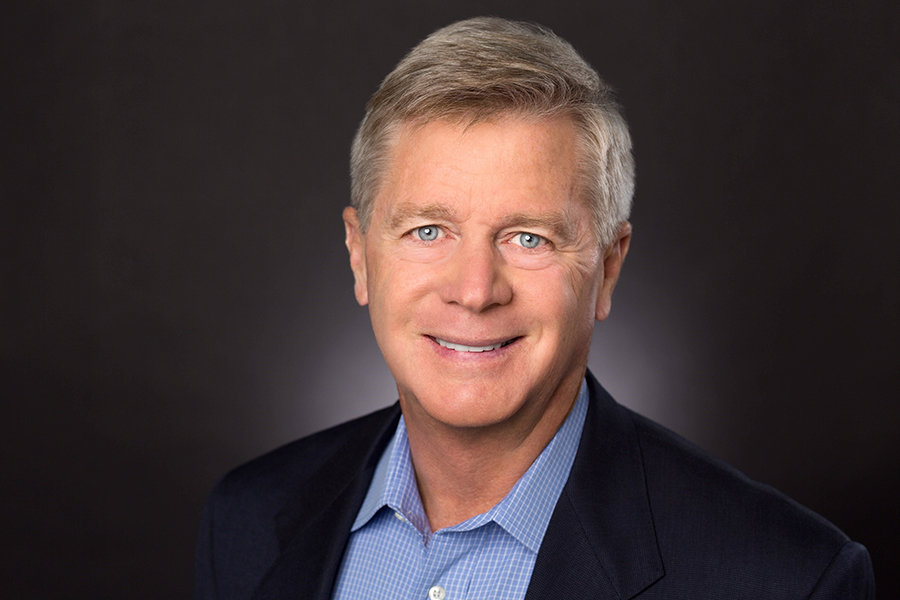
The Purdue Board of Trustees approved naming the School of Electrical and Computer Engineering for the family of alumnus William B. Elmore (BSEE '75, MSEE '76) in recognition of a $25 million gift.
2019
Two New Spaces for Students Open in MSEE Building
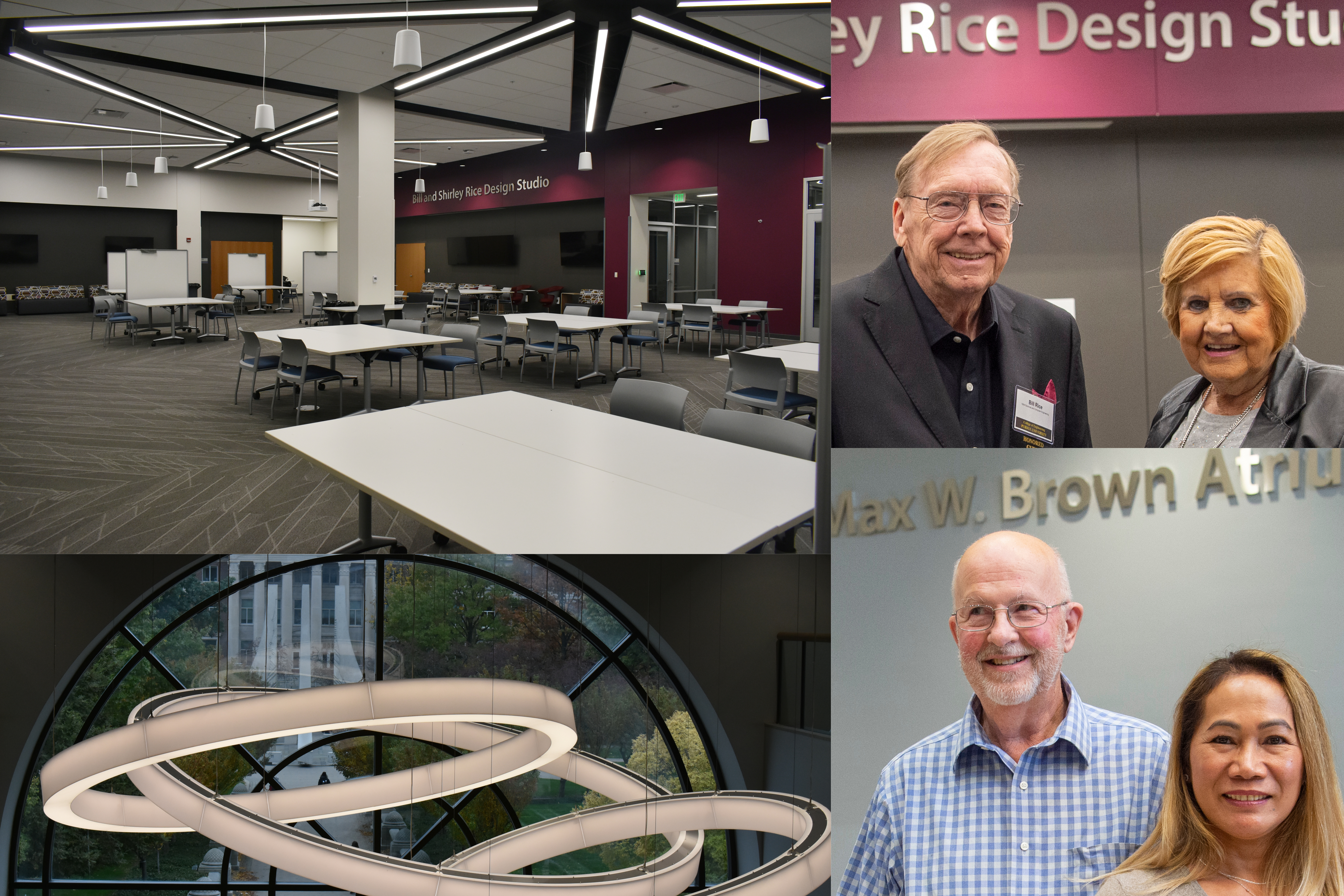
In November, the Material Sciences and Electrical Engineering Building opened two new spaces for students thanks to donations from Purdue alumni: the Max W. Brown Atrium and the Bill and Shirley Rice Design Studio.
2019
Dimitri Peroulis Named Head of School of Electrical and Computer Engineering
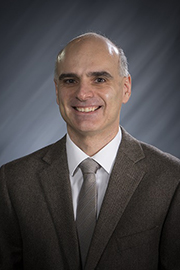
On May 1, Dimitri Peroulis became the next Michael and Katherine Birck Head of the School of Electrical and Computer Engineering. As head of the largest school in the College and one of the largest in the nation, Peroulis will lead more than 100 faculty members and 2,200 undergraduate and graduate students.
2018
Pedro Irazoqui - Interim Head of School of Electrical and Computer Engineering
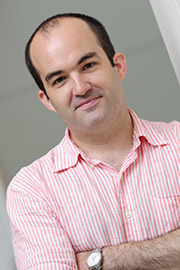
Pedro Irazoqui was named the interim head in August 2018. Also the Director of the Center for Implantable Devices and the Reilly Professor of Biomedical Engineering, his research is focused on VLSI and Circuit Design as well as Biomedical Imaging and Sensing.
2017
EE and Duncan Annex Renovations
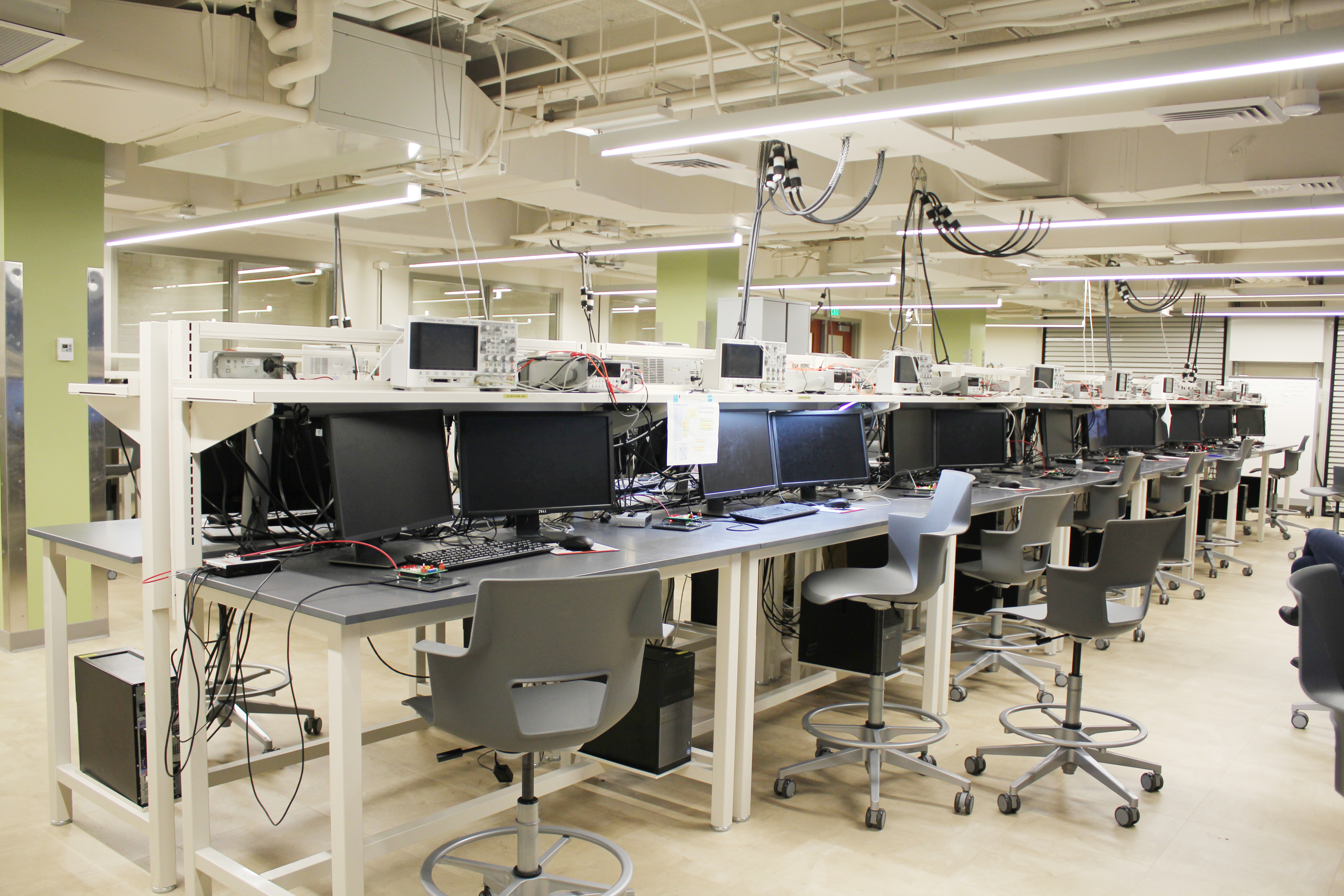
In 2017, renovations in the EE building and its Duncan Annex were completed. Included in this project, the ECE's digital systems labs received a complete makeover. The new space is more flexible, with large doors that can open the space to larger class sections, or close it off for smaller ones. There are also fewer walls and additional windows to give the labs a more open feel. The labs have more work stations to accommodate more students, and feature identical equipment across work stations. The addition of a "dirty work space" allows students working on senior design projects to do the necessary physical construction for their project on-site, while keeping the debris this work creates separate from the rest of the lab.
2013
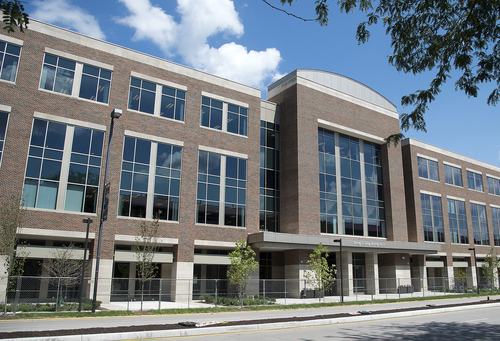
The Seng-Liang Wang Hall is dedicated.
2010
Ragu Balakrishnan - Head of School of Electrical and Computer Engineering
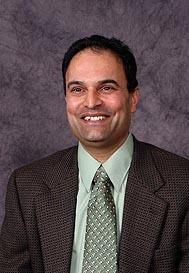
After serving as Interim Head in 2009, Venkataramanan "Ragu" Balakrishnan was appointed as the head in 2010. His research includes numerical methods and optimization for systems and control, control theory, application of systems theory in communication, signal processing, robotics, and VLSI. In 2018, Ragu was named the Dean of Engineering of Case Western Reserve University.
2006
The Watermark Evaluation Testbed is developed

2005
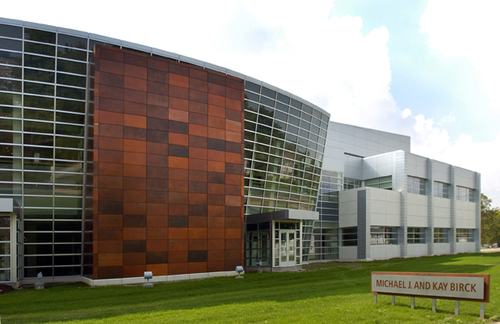
The Birck Nanotechnology Center is constructed
2003
Mark Smith - Head of School of Electrical and Computer Engineering
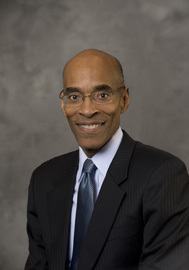
Mark J.T. Smith's research is in speech and image processing, filter banks, and wavelets. He became the first African-American to head a Purdue engineering school when he was hired in 2003. He served as head until 2009.
2003
NanoHUB is launched.
The nanoHUB is NCN's gateway for delivery and hosting of simulation tools, course materials, lectures, seminars, tutorials, user groups, and online meetings for nanotechnology.
2002
Leah Jamieson - Interim Head of School of Electrical and Computer Engineering
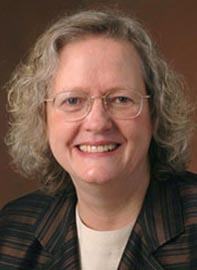
Leah Jamieson's research has been in engineering education, engineering and society, and public understanding of engineering. She served as interim head from June 2002 to December 2002. In 2006 she became the Dean of the College of Engineering.
2002
NCN is created
The Network for Computational Nanotechnology (NCN) is created. It's mission is to support the National Nanotechnology Initiative (NNI) by designing, constructing, deploying, and operating a cyber-resource for nanotechnology theory, modeling, and simulation. Their mission is embodied in nanoHUB.org and driven by pioneering research, education, outreach, and support for community formation and growth.
1997
VIPER Lab is dedicated
The Video and Image Processing (VIPER) Lab is dedicated. It is equipped with state-of-the-art technology to digitize, store, process, stream, and display digital video and images. This technology supports research in areas such as the development of new video compression techniques, new streaming technologies, and creating multimedia material for use in video indexing, storage, and retrieval.
1996
Kent Fuchs - Head of School of Electrical and Computer Engineering
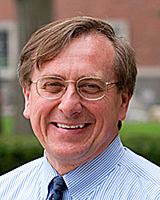
Kent Fuchs' research interests focused on computer engineering, particularly dependable computing and failure diagnosis. He served as head from 1996 to 2002.
1996
The School of Electrical Engineering is changed to the School of Electrical and Computer Engineering.
1995
EPICS is created.

Engineering Projects in Community Service (EPICS) is created. EPICS is a program in which teams of undergraduates are designing, building, and deploying real systems to solve engineering-based problems for local community service and education organizations.
1995
David Landgrebe - Interim Head of School of Electrical and Computer Engineering
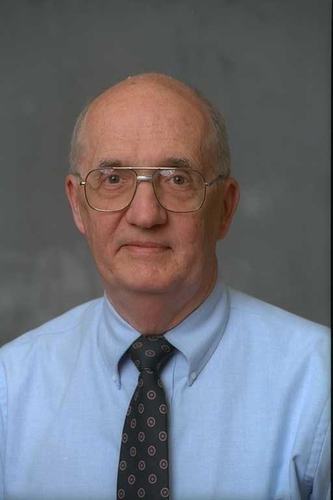
David A. Landgrebe conducted research in the area of signal theory and signal representation, and was director of Purdue's Laboratory for Applications of Remote Sensing (LARS) from 1969 until 1981. He served as interim head from 1995 to 1996.
1991
First functioning blue-green injection laser diodes
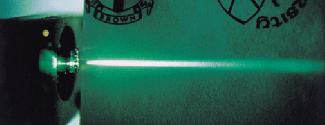
3M and the Purdue-Brown team announce the first functioning blue-green injection laser diodes
1988
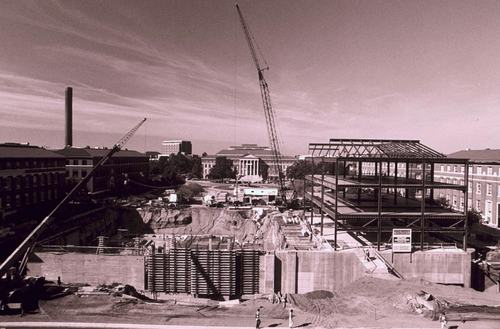
The Materials and Electrical Engineering Building (MSEE) is constructed
1987
An implantable defibrillator is developed and patented at Purdue
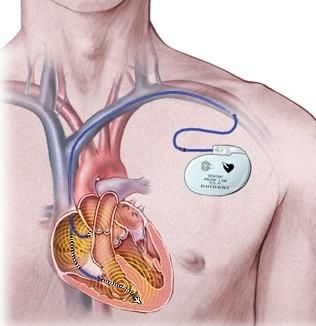
1985
Richard Schwartz - Head of School of Electrical Engineering
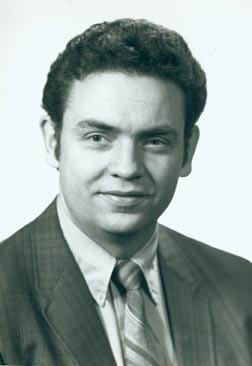
Richard John Schwartz was appointed head in 1985 and served until 1995, when he became dean of the Schools of Engineering. His research niche was solar cell energy.
1984
Bernd Hoefflinger - Head of School of Electrical Engineering
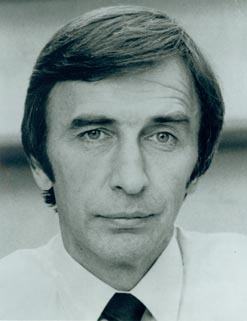
Bernd Hoefflinger's research was on semiconductor devices and microelectronics. He pioneered ion-implanted MOS circuits in 1970 and was co-inventor of the inverted or n-well CMOS technology in 1977. He served as head from 1984 to 1985.
1983
Richard Schwartz - Interim Head of School of Electrical Engineering
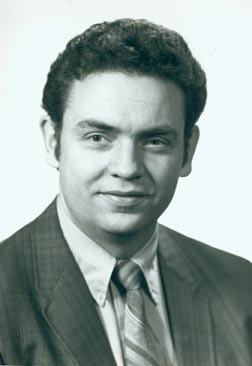
Richard John Schwartz was appointed interim head from 1983 to 1984. He then became head in 1985 and served until 1995, when he became dean of the Schools of Engineering. His research niche was solar cell energy.
1982
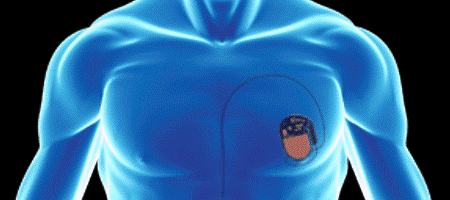
The first exercise responsive pacemaker is developed
1981
The first dual processor VAX computer is created
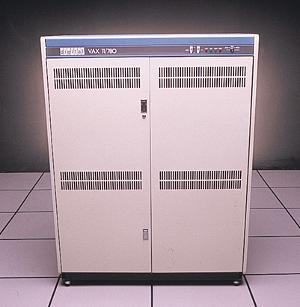
In 1981, DEC VAX 11/780 machines running UNIX were the mainstream computing support for many schools around the country. However, they were not sufficient for the needs of EE. Researchers discovered a way to add a second 11/780 processor to a standard uniprocessor system. Also, UNIX was modified to support this dual-processor configuration, thus creating the first multiprocessor UNIX system.
1980
The Computer and Electrical Engineering Degree is established.

1977
The Engineering Computer Network (ECN) is created
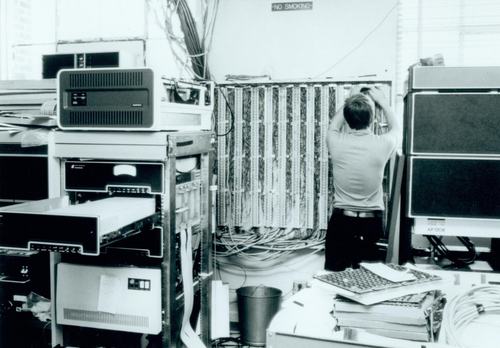
The Engineering Computer Network (ECN) is created when the head of EE, Dr. C.L. Coates, noted that the department needed interactive computing resources and that a number of existing small mini-computers in labs were not fully utilized. The plan was to purchase a base machine to link to the smaller lab machines and utilize their excess resources. In 1979, the Dean of Engineering, Dr. John Hancock, directed EE to create computing facilities for the other Schools of Engineering, thus creating ECN. As of 2006, data managed by ECN exceeded 25 Terabytes and 250 million files.
1976
World's largest defibrillator is created
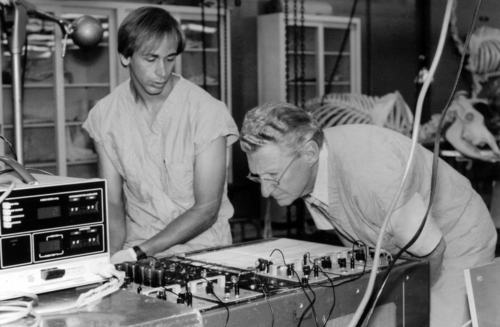
The world's largest defibrillator is created at Purdue. It was used to establish the second law of defibrillation: for a given heart size and a given duration pulse of defibrillating current, the threshold average current required for defibrillation is the same.
1975
The National Society of Black Engineers is founded at Purdue
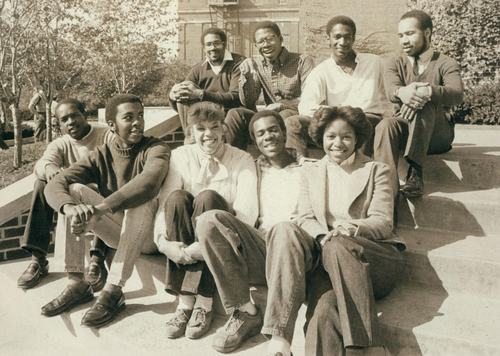
1972
Clarence Coates - Head of School of Electrical Engineering
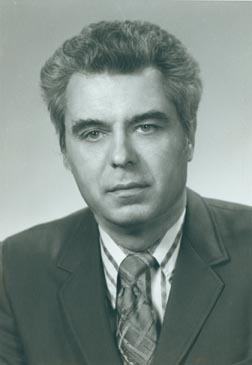
Clarence L. Coates emphasized computer education and the development of computer facilities for the School of EE. He recognized the importance of computers in EE education and took steps to create a degree program in computer engineering. He served as head from 1972 to 1983
1970
Integrated Circuits Fabrication Lab created
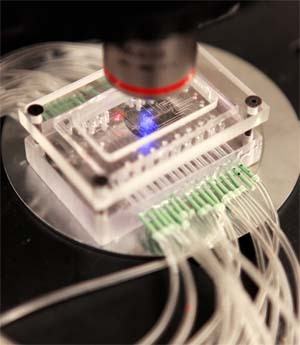
The Integrated Circuits Fabrication Lab is created. It is one of the first in the U.S.
1969
First digitally driven, interactive image-display system used
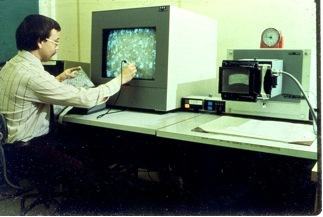
At LARS, the first digitally driven, interactive image-display system is designed and acquired. It was used until the late 70's when less expensive versions, by then commercially available as off-the-shelf items, were acquired.
1967
Digital image registration system developed
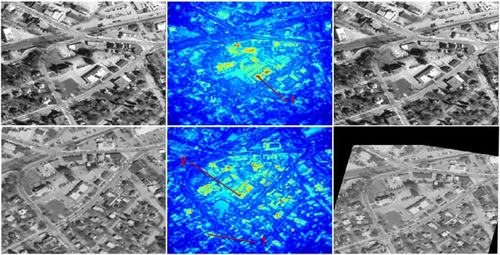
Digital image registration system for multispectral data is developed. This capability was first used to assemble a multispectral image data set from image information from several sensors. It can be used to construct image data from the same scene at different times of the day, season, and so forth.
1966
The Lab for Applied Industrial Control is created
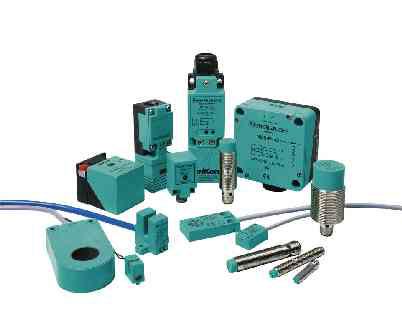
The Lab for Applied Industrial Control is created and designed to provide a medium for Purdue faculty and graduate students to carry out research related to the problems of American industry in the fields of industrial control and automation. PLAIC is internationally recognized for contributions in computer control systems for large scale industrial plants and processes, production scheduling and production optimization in steel mills, and computer programming and systems development for aluminum industrial control systems.
1966
LARS created
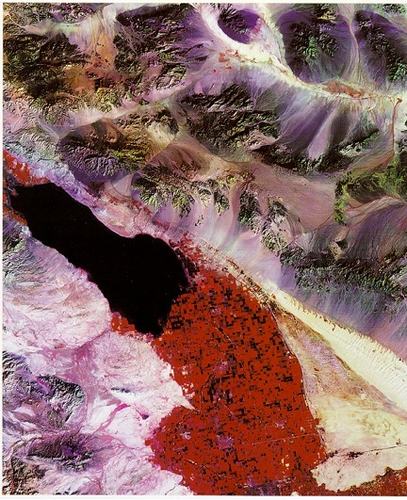
The Lab for Applications of Remote Sensing (LARS) was created to take an interdisciplinary team-approach to the creation and use of space-based technology for observing and managing agricultural and other land resources world-wide. This is a Landsat image of the Salton Sea area of Southern California.
1966
Crop identification via satellite demonstrated
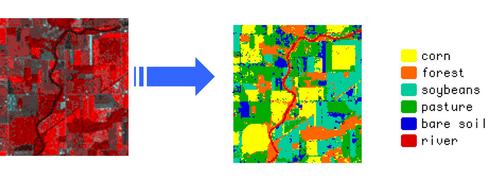
Crop identification capability via satellite (Apollo IX) data and machine processing methods demonstrated.
1965
John Hancock - Head of School of Electrical Engineering
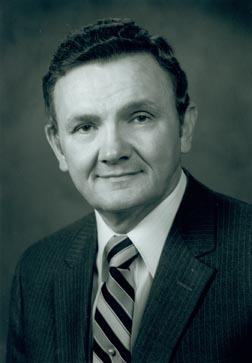
John Coulter Hancock strengthened the graduate program and increased the research support fourfold. He recognized the importance of solid-state electronics, and created a solid-state integrated-circuit fabrication facility, which was used as part of the undergraduate program. He served as head from 1965 to 1972.
1965
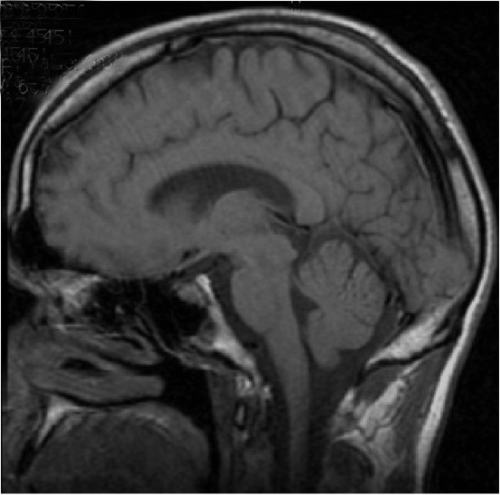
Bioengineering area of EE is established
1962
William Hayt - Head of School of Electrical Engineering
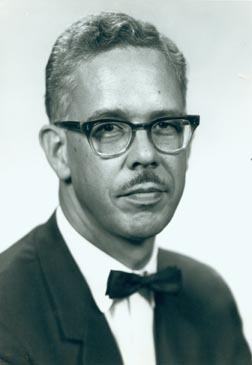
William Hart Hayt, Jr.'s forte was excellence in teaching. He was active in the development of educational television and was named a Sagamore of the Wabash by the Governor of Indiana in 1969. He served as head from 1962 to 1965.
1958
Thomas Jones - Head of School of Electrical Engineering
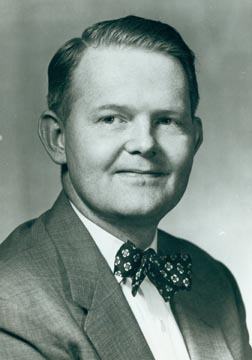
Thomas F. Jones emphasized research, striving for a good balance between traditional EE and electronics. He served as head from 1958 to 1962.
1957
Paul Chenea - Head of School of Electrical Engineering
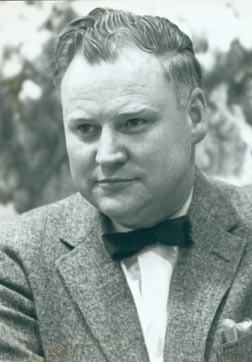
Paul Franklin Chenea served as acting head from 1957 to 1958. Chenea's remarkable administrative abilities were widely used by numerous governmental, military, and civilian institutions; presidential commissions; and educational agencies (including those concerned with minority groups).
1954
J. Stuart Johnson - Head of School of Electrical Engineering
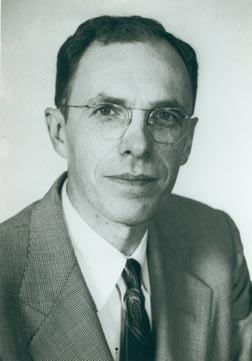
J. Stuart Johnson's major interest was in engineering education, and he continually encouraged the faculty to join the Association for Engineering Education (ASEE). He served as head from 1954 to 1957.
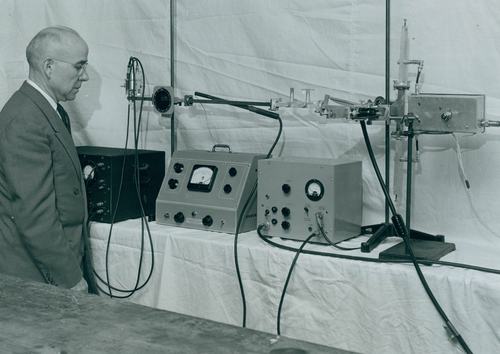
1952
Roscoe George patents static eliminator for aircraft
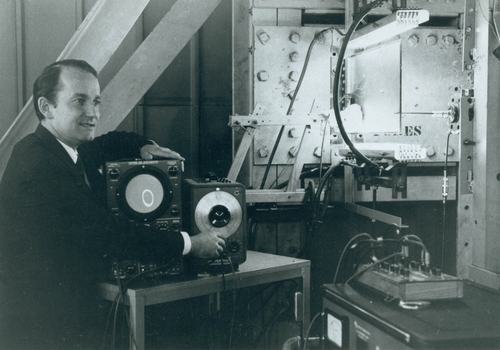
1946
Roscoe George patents signal receiver circuit for aircraft
1942
Dressel Ewing - Head of School of Electrical Engineering
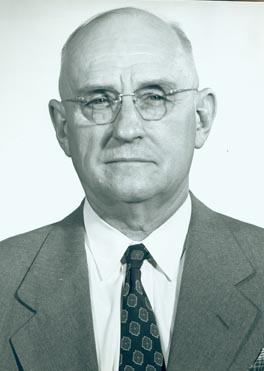
Dressel DeWitt Ewing came to Purdue in 1907 as an instructor in EE, eventually becoming head in 1942 and serving until 1954.
1940
Roscoe George is awarded three patents.
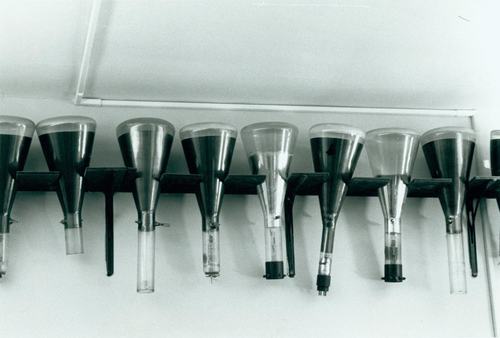
Roscoe George patents television system, method for viewing infrared images, and cathode ray tube.


1940
Josephine Webb becomes the first female electrical engineering graduate at Purdue University.
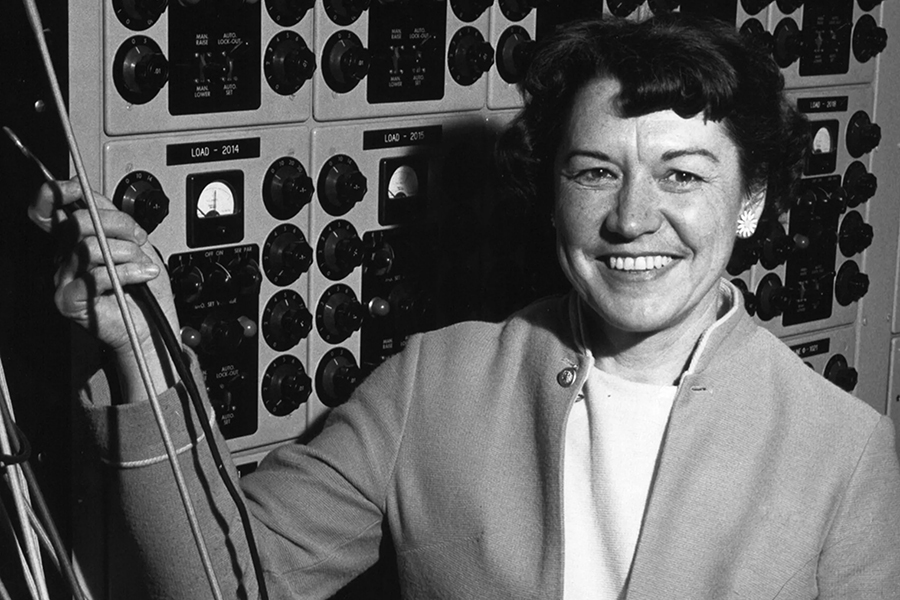
Webb went on to obtain two patents for oil circuit breaker contact design while working as a Design Engineer for Westinghouse Electric Corporation. As Director of Development for the Facsimile Development Laboratory at the Alden Products Company, Webb designed an eighteen-inch, full newspaper size fax machine with superior resolution for the mid-1940s. She eventually founded Webb Consulting Company with her husband, Herbert J. Webb, who also graduated with a bachelor's degree in electrical engineering from Purdue in 1940. The company worked for clients such as Boeing and the U.S. Bureau of Mines, specializing in electrical-electronic measurement instrumentation, communications applications, and photographic test devices.
1937
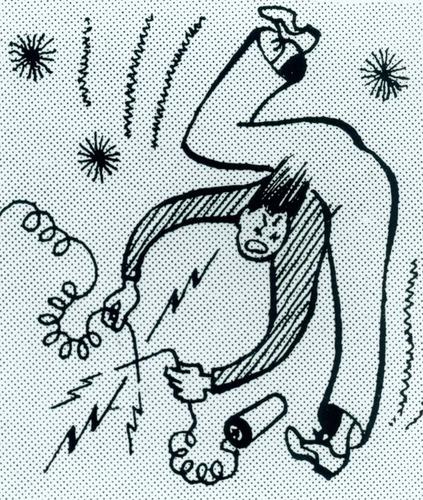
Debris cartoon, 1937
1932
Additions to EE building.
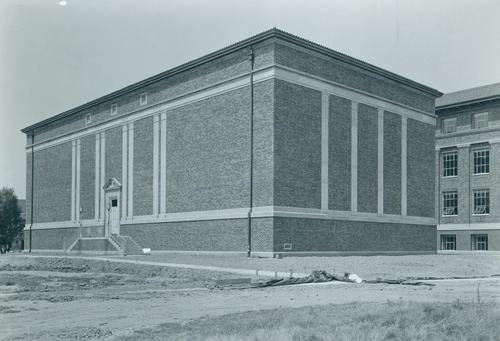
In 1932, a second addition was made possible by a gift from Thomas Duncan, a Scottish immigrant who owned the nearby, highly successful Duncan Electric Company. In 1940 another addition, the Duncan High Voltage Lab, was constructed. It eventually became the Duncan Annex
1931
Television station W9XG goes on the air.
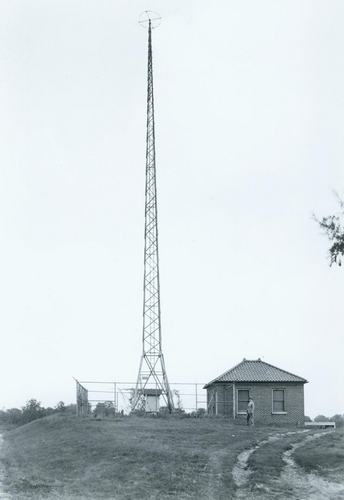
Old silent movies constituted the first programs. There were probably no more than five receivers in all of Indiana.
1929
Roscoe George develops the first electronic television receiver.
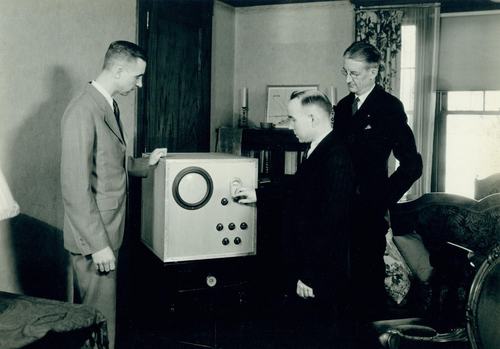
Up until this time, television receivers were mechanical, consisting of a spinning disk.
1924
New EE building constructed
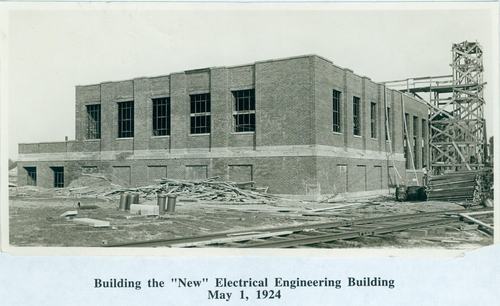
In conjunction with Purdue's 50th birthday, a new building for Electrical Engineering was constructed.
1922
WBAA, Indiana's first radio station, is started at Purdue.
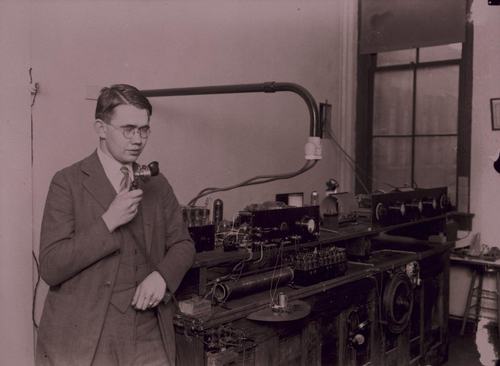
Most of the first programs consisted of agricultural information and recordings. Faculty wives sang and everyone within reach was commandeered to fill the air time. Programming was described as "spontaneous planning".
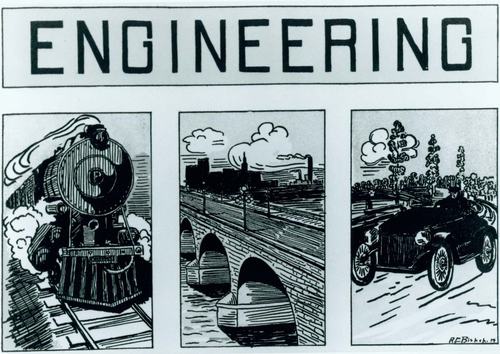
1913
Drawing published in Debris Yearbook
1910
Wireless communication study begins at Purdue.
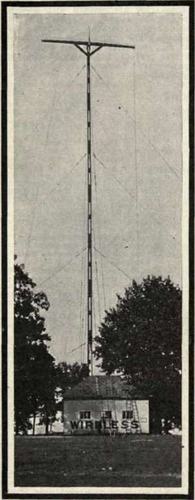
A telegraphic station was built by senior EE students for their thesis.
1908
Charles Francis Harding named Head of Electrical Engineering
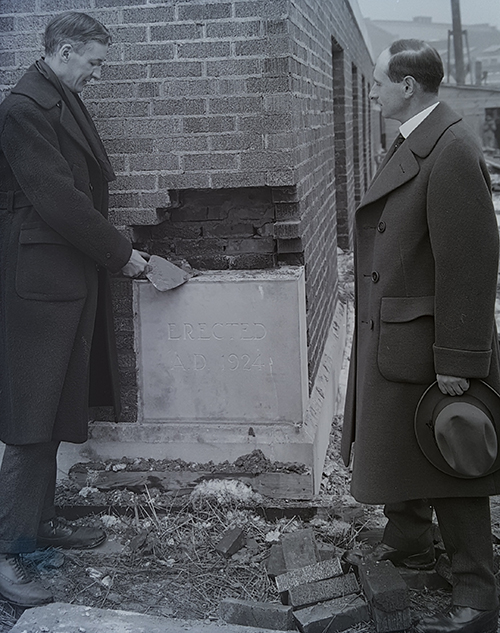
Dr. Harding occupied the position (1908-1942) longer than any head before or since. He is seen here in this photo (left) with A.A. Potter (right) laying the cornerstone to the EE building in 1924.
1906
The Beta chapter of Eta Kappa Nu is started at Purdue.
1904
Charles Matthews - Head of School of Electrical Engineering
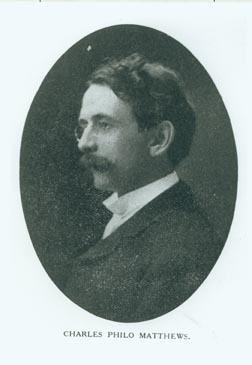
Charles Philo Matthews was acting head of the School of Electrical Engineering under Goldsborough and head from 1904 to 1907. His research was in photometry - the measurement of the light output of enclosed arc lamps.
1904
Electrical railway test car
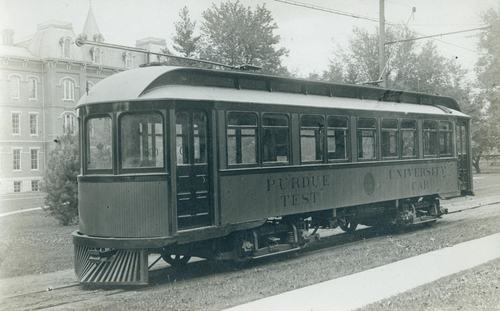
The "Louisiana", Purdue's electrical railway test car, is purchased from the 1904 World's Fair in St. Louis. Interest in developing electrical railway was keen because steam locomotion had two drawbacks: it was unable to climb a steep grade, and because of the smoke produced, could not be used to pull passenger cars. Electrically propelled cars solved both problem.
1901
Telephone Engineering becomes part of EE
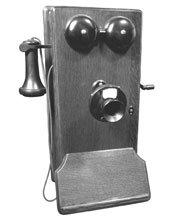
The telephone was introduced in the late 1870's. After that there was an urgent need for engineers who understood how to expand the telephone system from city to city.
1896
Winder Goldsborough - Head of School of Electrical Engineering
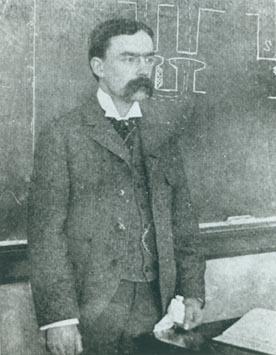
Winder Elwell Goldsborough was also head of the Department of Electricity for the Louisiana Purchase Exposition (St. Louis, 1904) where he obtained the million-volt Thordarson transformer, the technology that started high-voltage engineering in earnest at Purdue. He also secured the Louisiana, an electric railway test car that became known as the Purdue Test Car. He served as head from 1896 to 1904.
1893
Harold Smith - Head of School of Electrical Engineering
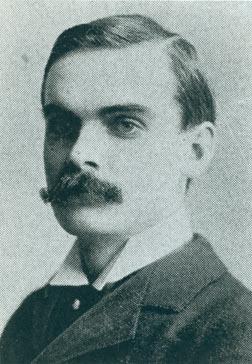
Harold Babbitt Smith is best remembered for his "hedgehog" high-voltage transformer. He was very interested in high-voltage transformers and in electric railways, which were to be important at Purdue for five decades. He served as head from 1893 to 1896
1892
Reginald Fessenden - Head of School of Electrical Engineering
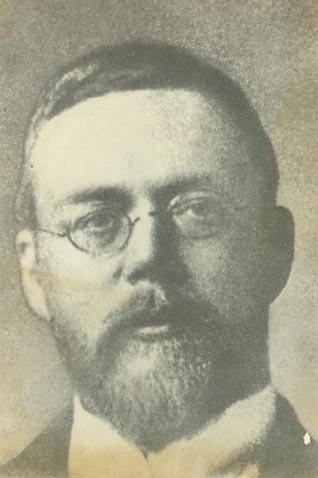
Reginald Aubrey Fessenden was the first to have the title "Professor of Electrical Engineering". While at Purdue he developed transmitting and receiving equipment for wireless telephony. He later became the first to broadcast the human voice and music by wireless. He eventually had over 300 patents in radio, and is remembered as the creator of radio broadcasting. He served as head from 1892 to 1893.
1889
Albert Carman - Head of School of Electrical Engineering
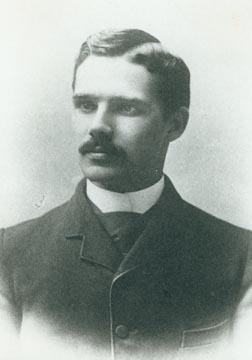
Albert Pruden Carman was the second head of the School of Electrical Engineering. He served as head from 1889 to 1892.
1888
School of EE established
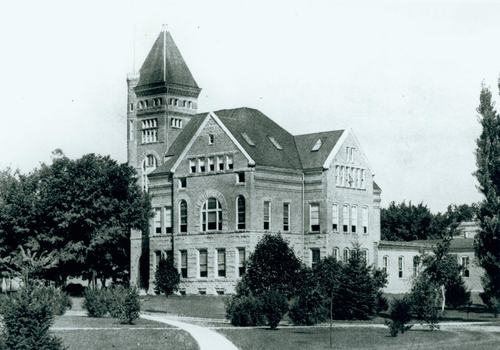
The School of Electrical Engineering is established. The first EE building was located opposite of Stanley Coulter Hall on the site of the present Chemistry building. Railroad tracks came alongside the building to provide a berth for the Purdue University Interurban Test Car.
1888
Louis Bell - Head of School of Electrical Engineering
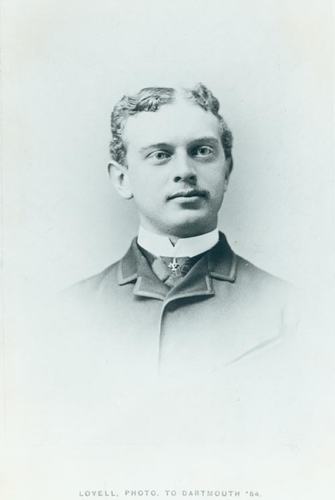
Louis Bell was the first head of the School of Electrical Engineering and was also a professor of Applied Electricity.
1887
Henry A. Huston - Head of School of Applied Electricity
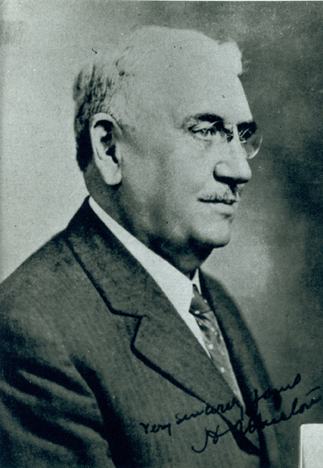
Henry Augustus Huston was head of the School of Applied Electricity, the predecessor of the School of Electrical Engineering.