
NSF Graduate Fellowships for Purdue ChE Students
NSF Graduate Fellowships for Purdue ChE Students
Event Date:
April 11, 2009
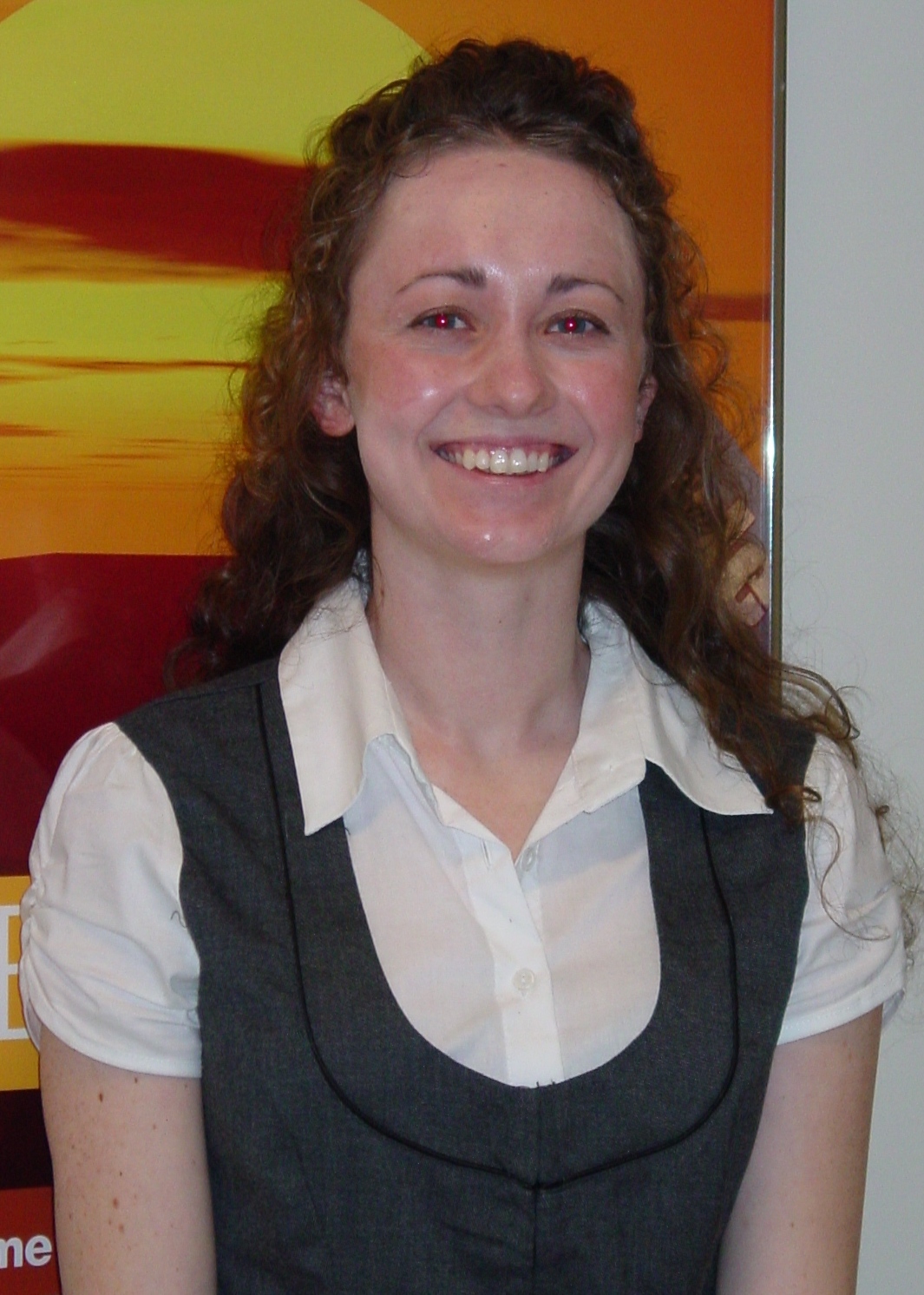
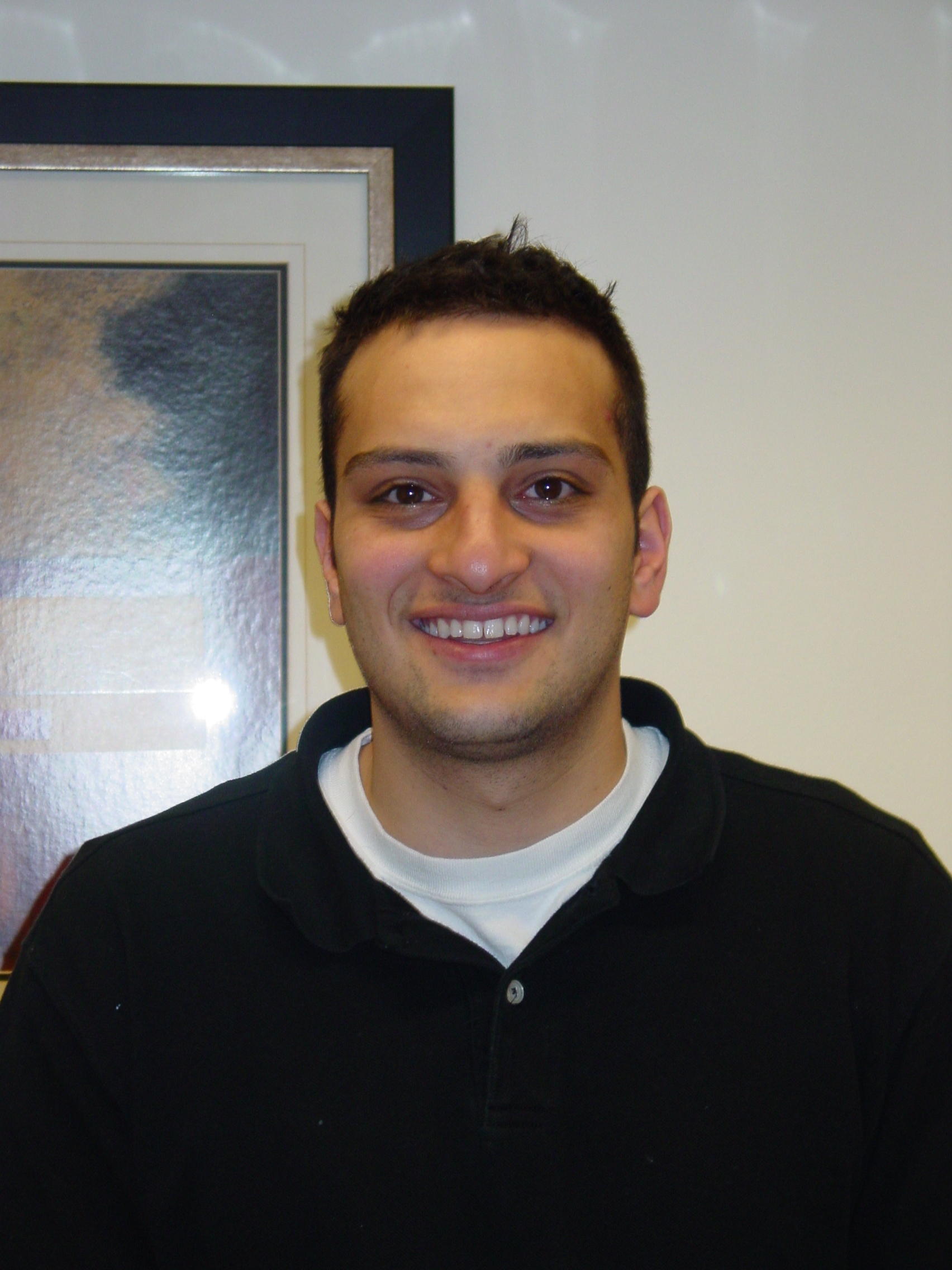
Julie Kadrmas, graduate student, and David Hanna, senior, receive National Science Foundation Fellowships. This award is based on
their abilities and accomplishments as well as their potential to contribute to strengthening the vitality of the U.S. science and engineering enterprise.
On April 10, 2009, National Science Foundation announced the 2009 Graduate Research Fellowship awardees.
The School of Chemical Engineering is proud to inform that Julie Kadrmas and David Hanna are among the recipients.
Julie Kadrmas is a graduate student advised by Professor Julie Liu. She is working on a novel, injectable biomaterial for cartilage regeneration. The Centers for Disease Control and Prevention predicts that by the year 2030, 25% of all Americans will live with arthritis. The most prevalent form of this disease is characterized by degradation of articular cartilage, illustrating the need for long-lasting, inexpensive, minimally invasive, functional cartilage replacements. Julie's vision of a future cartilage replacement procedure is to use the patient’s own bone marrow-derived stem cells and mix them in a solution of specifically engineered artificial proteins. The proteins are designed to aggregate upon injection which results in cell encapsulation and precise conformation to the shape of the defect. Exposure to UV light creates cross-links in the protein scaffold, which increases the strength and provides mechanical support while the cells grow replacement cartilage. Unlike current treatments, the cells in this procedure will not need to be cultured in vitro for a long period of time because bioactive domains directing differentiation into cartilage tissue are incorporated directly into the protein scaffold. This reduces the cost of culturing,and allows the cartilage replacement to be injected sooner, potentially alleviating the pain and economic burden cartilage injuries cause millions of Americans each year.
David Hanna is a senior involved in several research projects. Currently, David Hanna is studying hydrogen generation for fuel cell implications under the direction of Prof. Arvind Varma. Hydrogen fuel cells show great promise as a future energy source provided suitable materials for storage and methods for release of hydrogen are developed. David is investigating the use of metal-water reactions to drive the dehydrogenation of Ammonia Borane. Ammonia Borane (AB) is a stable hydrogen dense compound (19.6 wt.%) which can undergo either thermolysis or hydrolysis. David is evaluating various experimental designs and techniques to optimize hydrogen yields.